Having a "Bad Year"? How Zi Wei Dou Shu Turns a Down Year Into a Loading Year
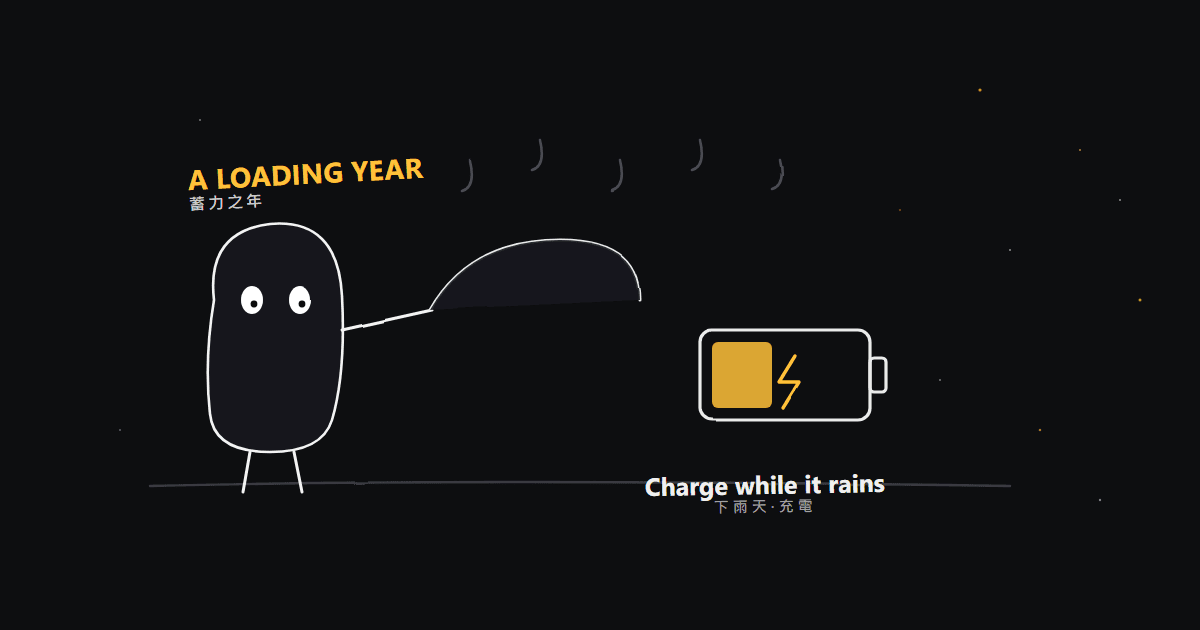
A message I get constantly: "A reader told me this is an unlucky year for me - should I just not try at all?"
Straight answer: an "unlucky year" is a weather report, not a verdict. Rain forecast? Carry an umbrella, reroute, or stay in and reorganize the house - all beat standing in the rain cursing the sky.
What does "bad year" technically mean?
In Zi Wei Dou Shu, each year's stem triggers Four Transformations that sweep your twelve palaces. A "rough year" usually means:
Curious about your own chart? Cast it free in 30 seconds →
- The annual Hua Ji lands in or clashes a key palace (Life, Wealth, Career, Spouse)
- The annual Life palace walks into a malefic-heavy sector of your chart
- Decade cycle and annual cycle stack pressure on the same weak point
Note what this actually says: that one area carries higher friction this year. Not everything shuts down. Ji in Wealth can coexist with a great relationship year; Ji in Career might be exactly the year to enjoy family. The phrase "unlucky year" crushes a twelve-sector map into one syllable: bad.
Three strategies for a low year
1. Shrink decisions, don't stop moving. High-friction years: fewer irreversible calls (rage-quit, all-in, elope), more reversible experiments. Scout directions, delay big bets. The Tai Wei Fu: a good chart matters less than good timing - read in reverse, a rough year just means this isn't the moment to strike, not that you're defective.
2. Clear old debts. Wherever Hua Ji shines, legacy issues surface. Beat it to the punch: have the conversation, cut the cord, pay the debt. Clear the backlog in the down year and you can sprint in the up year.
3. Invest in yourself. Years with fewer external openings are the fastest internal-growth years. Learning, health, skills, relationships - these compound regardless of the annual cycle, and pay out double in the next Hua Lu year.
The overlooked truth
Across the charts I've read, people's turning points are disproportionately buried in their "unlucky years": the layoff that forced the side business, the illness that built discipline, the breakup that clarified everything.
The Complete Book says cycles have weight and fortunes rise and fall - rise-and-fall is rhythm, not grade. The low bars in the melody are usually where the tension builds.
FAQ
Q: Can I dodge a bad year? "Dodge" is the wrong verb. The year is time - it comes regardless. What you control is the action mix: defend more, decide less, accumulate more. That's what the ancients meant by avoiding misfortune.
Q: How do I check my own year? Cast an annual chart and find two spots: where annual Hua Lu lands (your tailwind) and where Hua Ji lands (your caution zone). Walkthrough: 2026 second-half guide.
Q: A reader says I must pay for a ritual to fix my year. Should I? Never. "Pay to dissolve disaster" is not part of Zi Wei Dou Shu - the system's response to friction is behavioral adjustment, not purchased luck. Fear-based selling is your cue to leave.
Disclaimer: This article is cultural commentary on Zi Wei Dou Shu, for self-reflection and entertainment only - not professional advice of any kind.
Cast a free chart at FateStar - no login required.
Classical references: Complete Book of Zi Wei Dou Shu (Ming dynasty); Tai Wei Fu.
⚠️ FateStar generates and interprets your chart based on the traditional Chinese discipline of Zi Wei Dou Shu (紫微斗数). All content is for informational and reflective purposes only.
About the Author

Founder of FateStar. He began structured study of San He Zi Wei Dou Shu in 2020 and is responsible for product method, source organization, and content review. Personal experience is not presented as scientific proof.
More about Louis →