My Life Matches My Chart - Should I Follow It? On Astrology and Free Will
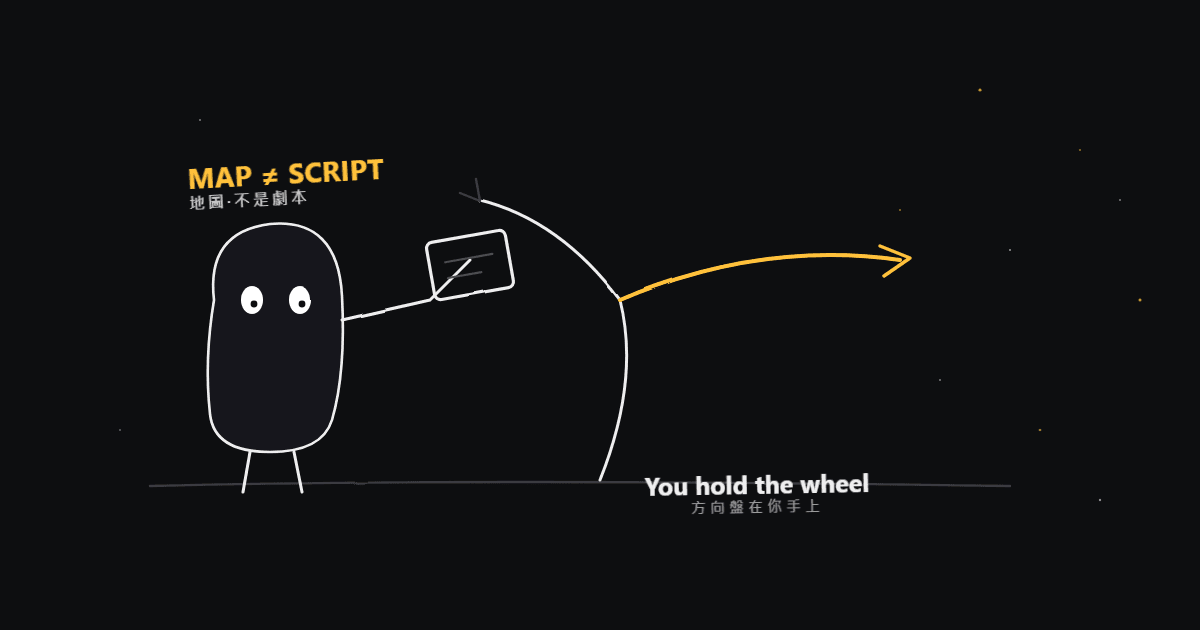
A classic forum question: "So far my life has tracked my Zi Wei chart almost exactly. Should I believe it and follow it?"
Two camps always collide below: "it's scary-accurate, you must" vs "Barnum effect, wake up." After 300+ charts, here's the answer neither camp quite lands.
"It got me right" has three layers
Layer 1: personality. Most common, least mysterious. The star system is a fine-grained personality taxonomy - fourteen major stars times palaces times transformations yields descriptions far more granular than sun signs. Structured classification systems are supposed to feel accurate.
Curious about your own chart? Cast it free in 30 seconds →
Layer 2: rhythm. Which years flowed, which jammed - matching those against decade and annual cycles is where people get chills. My read: personality drives behavior patterns; patterns rolled through time produce life rhythm. A system that captures personality will trace rhythm decently.
Layer 3: specific events. Honesty required: no system reliably predicts specific events. Your remembered "dead-on hits" survived memory's filter - hits are remembered forever, misses evaporate.
The key move: describing the past ≠ owning the future
Even if the chart nailed your history, it does not follow that your future must obey it.
Analogy: the weather bureau got the whole past month right. Do you now believe the bureau controls the weather? Descriptive accuracy and decision authority are different things.
The Complete Book speaks of cycles' weight and fortune's rise and fall - rhythm, never "humans cannot choose." The classical project was always avoiding misfortune, approaching fortune - a phrase that only makes sense because behavior can change. If everything were fixed, why consult a chart at all?
Following the chart: the healthy version and the dangerous one
Dangerous: "The chart says a rough relationship year, so I won't take anyone seriously this year." → Self-fulfilling prophecy. You're not trapped by fate - you're trapped by an interpretation.
Healthy: "The chart flags internal friction this year, so I'll watch my mental state and slow the big calls." → Risk management. You keep the wheel.
The whole difference: the chart gives road conditions, not steering.
FAQ
Q: Is Zi Wei Dou Shu actually accurate? The charting layer is a fixed algorithm - reproducibly exact. Interpretation yields high-probability tendencies, not verdicts. Full breakdown: Is Zi Wei Dou Shu accurate?
Q: My chart says this year is bad - should I lie flat? Opposite. High-friction years favor smaller decisions, clearing old business, investing in yourself - turning the dip into a loading screen. Lying flat misreads a road report as a road closure.
Q: I check my chart compulsively - is that normal? Checking frequency tracks anxiety, not astrology. If every decision requires consulting the chart, address the anxiety itself first (sleep, exercise, professional support). The chart is a mirror, not a medication.
Disclaimer: This article is cultural commentary on Zi Wei Dou Shu, for self-reflection and entertainment only - not professional advice of any kind.
Cast a free chart at FateStar - no login required.
Classical references: Complete Book of Zi Wei Dou Shu (Ming dynasty); Tai Wei Fu.
⚠️ FateStar generates and interprets your chart based on the traditional Chinese discipline of Zi Wei Dou Shu (紫微斗数). All content is for informational and reflective purposes only.
About the Author

Founder of FateStar. He began structured study of San He Zi Wei Dou Shu in 2020 and is responsible for product method, source organization, and content review. Personal experience is not presented as scientific proof.
More about Louis →